
Slow Turnaround Is Usually Not a Sterilizer Problem, It Is a Sequence Problem

Many clinics blame slow turnaround times on their sterilizer when the real issue lies elsewhere in the workflow. This article explores how cleaning, packaging, staging, and equipment coordination affect overall efficiency and throughput.
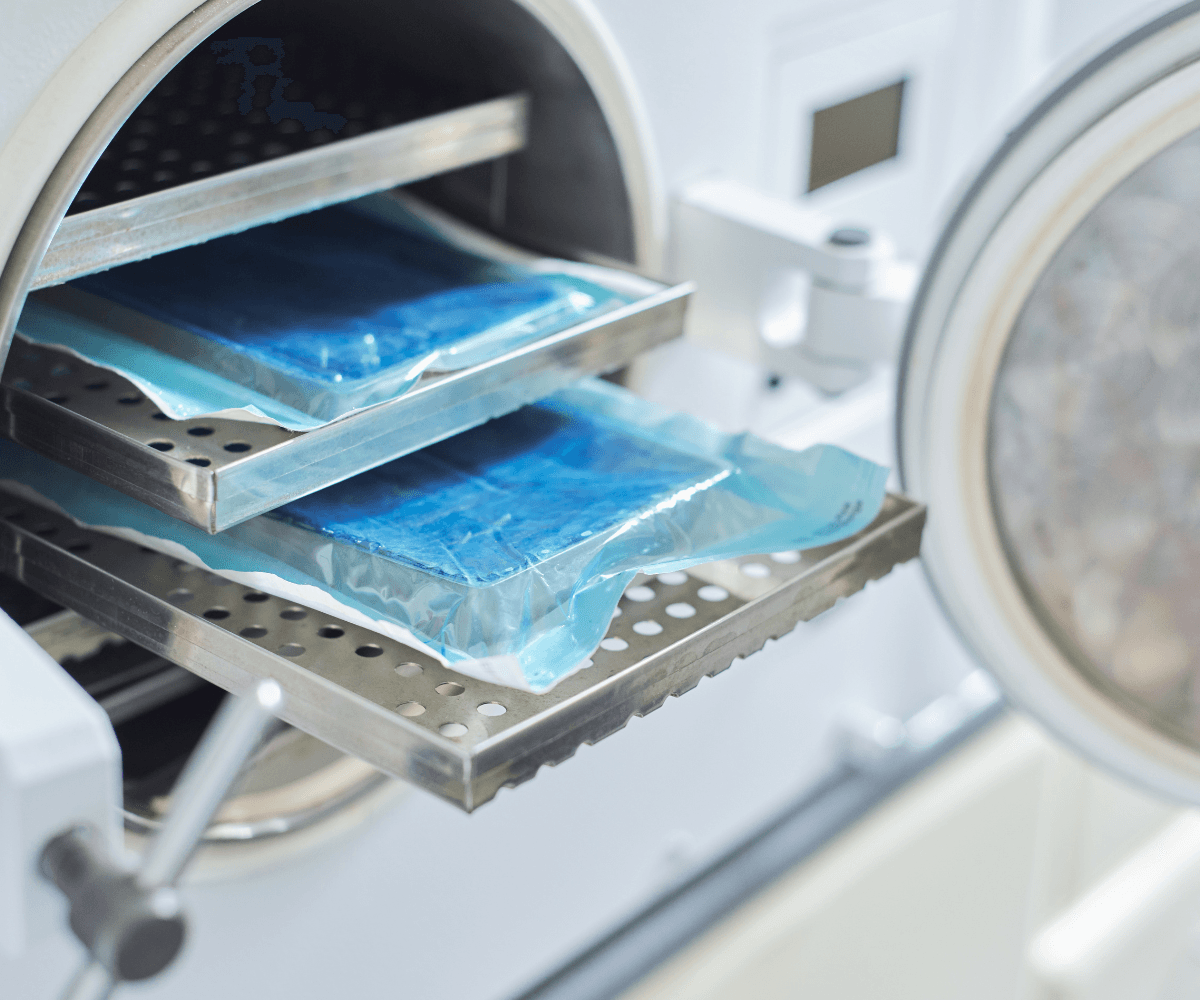
Slow Turnaround Is Usually Not a Sterilizer Problem, It Is a Sequence Problem
When a clinic says instrument turnaround is too slow, the sterilizer gets blamed first almost every time. That is understandable. The sterilizer is the center of the visible process.
But in many rooms, the chamber is not the real problem.
The real problem is the sequence around it.
A sterilization room can have a perfectly capable sterilizer and still feel slow all day because slowness often begins before the load ever reaches the chamber.
The Room Is Only as Fast as Its Weakest Transition
Fast turnaround depends on something simple:
Every stage has to hand off cleanly to the next.
That means:
- dirty instruments arrive where they should
- cleaning happens without backlog
- drying does not delay packaging
- packaging does not create hesitation
- loading is consistent
- unloading does not cause bottlenecks
If one of those transitions is weak, the sterilizer ends up carrying blame for a slowdown it did not create.
Why Teams Misread the Problem
Most workflow problems do not look dramatic.
They look like little delays:
- someone waiting for a cleaner to free up
- someone repackaging because staging felt rushed
- someone reorganizing trays because packaging was uneven
- someone working around missing space or unclear grouping
Those moments seem minor, but they add up.
By the time the room feels slow, the cause is often already baked into the sequence.
The Sterilizer Receives Whatever the Room Feeds It
A chamber cannot create a smooth workflow if the inputs are messy.
That is why faster turnaround is rarely fixed by focusing on the sterilizer alone.
The room has to feed the sterilizer better.
This is where the rest of the system matters:
- Ultra-Sonic Cleaners affect how consistently instruments move out of the contaminated stage
- Sealing Machines affect how quickly and cleanly the packaging stage can move
- Water Distillers affect long-term sterilizer performance and reliability
What a Better Sequence Feels Like
When the sequence is right, the room feels different.
Staff stop waiting as much.
Packaging becomes less frantic.
Loads feel easier to stage.
Turnaround improves not because people are moving faster, but because the room is asking less of them.
Final Thoughts
If a practice wants faster instrument turnaround, it should start by asking where the sequence breaks down.
In many cases, the sterilizer is not the source of the slowness. It is just the part of the system where the slowness becomes visible.
Our Recent News
Stay up to date on the future of sterilization, healthcare compliance, and sustainability.
Learn why water quality is critical to sterilizer performance, reliability, and maintenance. Discover how proper water support helps protect your investment over the long term.
Packaging mistakes can affect efficiency, consistency, and confidence throughout the sterilization process. Learn why packaging deserves more attention in modern reprocessing workflows.
Compare steam sterilization and dry heat sterilization from a workflow perspective. Learn why steam sterilizers remain the preferred choice for most modern healthcare practices.
Experience the Sterolux Difference
Join 500+ healthcare facilities that trust Sterolux for reliable, compliant, and efficient sterilization. Our team is ready to help you find the perfect solution.
Stay Updated
Get the latest updates on new products, industry insights, and exclusive offers.