
The Hidden Cost of Equipment That "Technically Works"

Just because equipment still functions does not mean it supports your workflow effectively. This article explores the hidden costs of outdated sterilization equipment and explains why operational friction often costs more than repairs.
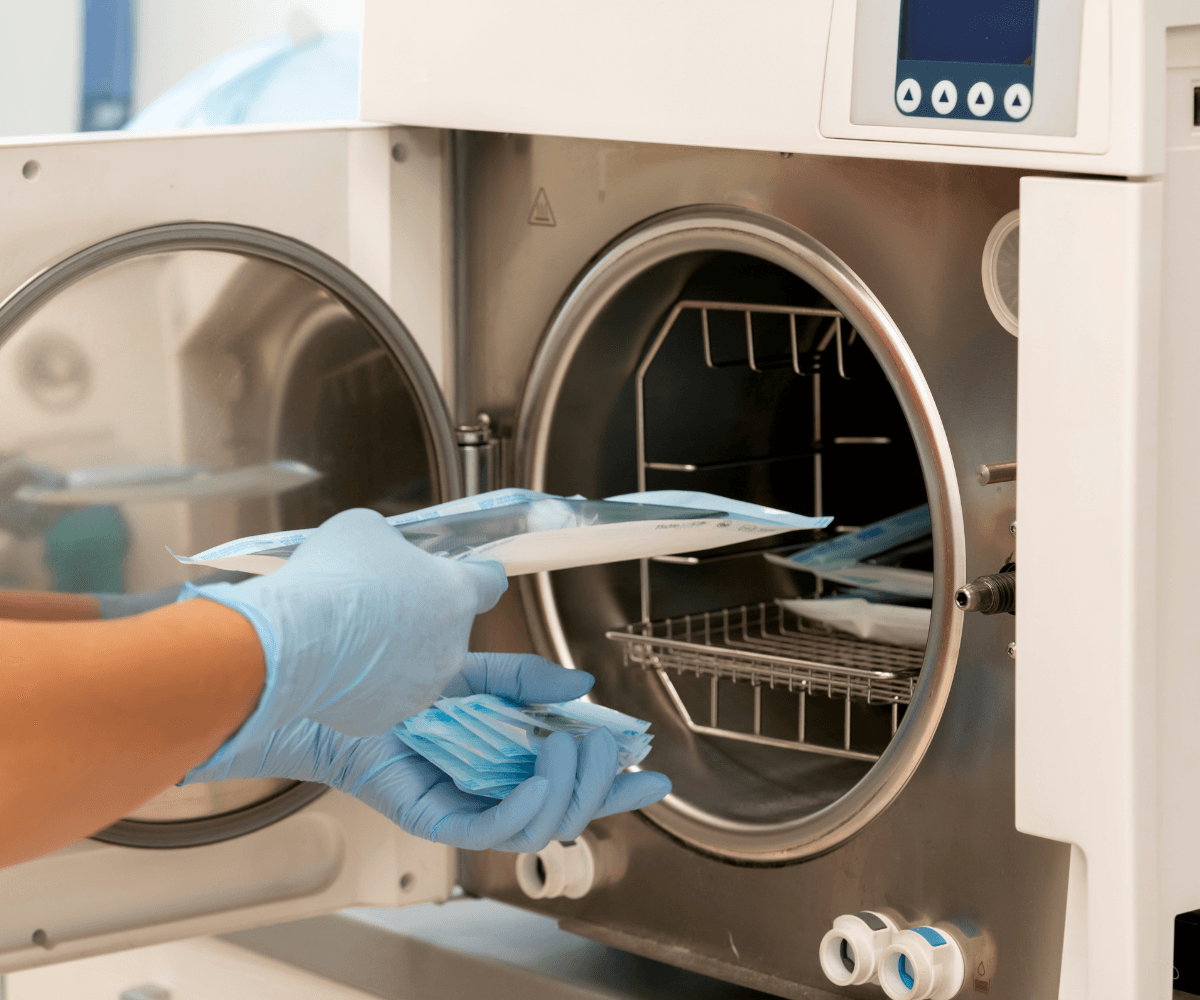
The Hidden Cost of Equipment That "Technically Works"
Why this phrase is more dangerous than it sounds
One of the most expensive phrases in healthcare operations is: it still works.
At first, that sounds practical. If a machine still turns on, still completes the task, and has not completely failed, it feels reasonable to keep using it. But in sterilization workflows, "technically works" is often a very weak standard.
A machine can still function and still be the wrong fit for the room.
That is where hidden cost begins.
Functional is not the same as supportive
A piece of equipment may still operate, but that does not mean it is helping the workflow the way it should. Sometimes older or mismatched equipment does not fail dramatically. Instead, it starts creating small burdens that staff gradually normalize.
Those burdens may include:
- more waiting between stages
- more awkward staging
- more repeated checking
- more training inconsistency
- more maintenance interruptions
- more dependence on staff workarounds
Each one feels manageable on its own. Together, they create a room that is harder to run than it needs to be.
Why low-grade friction is so expensive
The real cost of "technically works" equipment is not always visible on a repair invoice. It is often paid in:
- staff time
- lost momentum
- weaker standardization
- room stress
- reduced confidence in the process
This is what makes outdated or poorly matched equipment so deceptive. It may not look broken, but it is still costing the room something every day.
Where this shows up most often
This issue can affect almost any stage of the reprocessing chain.
A sterilizer may still complete cycles, but the room no longer trusts its pace.
A sealing machine may still seal, but packaging feels slower and less consistent.
A cleaner may still run, but it creates waiting during busy periods.
Water support may still exist, but maintenance feels heavier than it should.
Better systems reduce hidden cost
This is one reason it helps to look at the room as a connected chain:
- Steam Sterilizers
- Ultra-Sonic Cleaners
- Sealing Machines
- Water Distillers
When the chain is stronger, hidden cost drops. The room becomes easier to manage, not because staff are working harder, but because the system is asking less of them.
Final Thoughts
The best time to rethink equipment is usually before it fully fails. Once a facility notices that a machine is still running but no longer helping the room run well, it is worth asking a different question.
Not "Can we keep using this?" but "What is this costing us to keep using it this way?"
Our Recent News
Stay up to date on the future of sterilization, healthcare compliance, and sustainability.
Learn why water quality is critical to sterilizer performance, reliability, and maintenance. Discover how proper water support helps protect your investment over the long term.
Packaging mistakes can affect efficiency, consistency, and confidence throughout the sterilization process. Learn why packaging deserves more attention in modern reprocessing workflows.
Compare steam sterilization and dry heat sterilization from a workflow perspective. Learn why steam sterilizers remain the preferred choice for most modern healthcare practices.
Experience the Sterolux Difference
Join 500+ healthcare facilities that trust Sterolux for reliable, compliant, and efficient sterilization. Our team is ready to help you find the perfect solution.
Stay Updated
Get the latest updates on new products, industry insights, and exclusive offers.