
Top 5 Signs It’s Time to Replace Your Sterilizer Instead of Repairing It Again

This post explains when it makes more sense to replace a sterilizer instead of continuing repairs, focusing on downtime, inconsistent cycles, and workflow limitations.
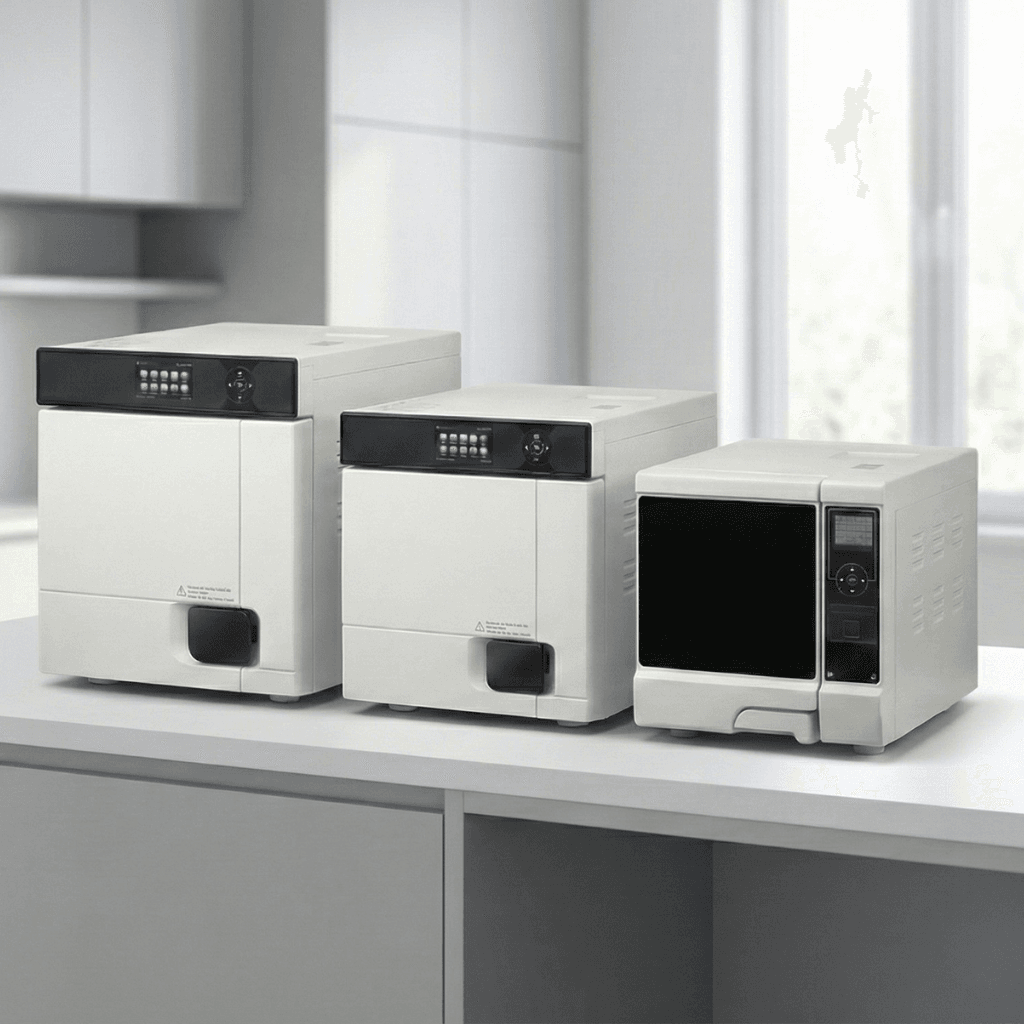
Top 5 Signs It’s Time to Replace Your Sterilizer Instead of Repairing It Again
A sterilizer rarely fails all at once. More often, it slowly becomes a source of friction. Cycles feel less predictable. Drying becomes inconsistent. Staff double-check packs because confidence drops.
At that point, the issue is no longer just technical. It is operational.
1. Repeated Downtime
If your sterilizer is constantly waiting on service, it is controlling your workflow instead of supporting it.
Downtime creates:
- scheduling pressure
- delayed turnaround
- staff frustration
2. Inconsistent Cycle Results
If packs come out wet or inconsistent, the system slows down even if cycles technically complete.
Confidence drops. Rework increases.
3. Maintenance Creep
Preventive maintenance is normal. Constant repairs are not.
If issues keep returning, replacement is often the smarter long-term decision.
4. Capacity Mismatch
Sometimes the unit is not broken. It is just too small or too slow for your current workload.
5. Outdated Workflow Support
Modern systems offer:
- better tracking
- automatic cycle logging
- improved visibility
Older systems create guesswork.
Thinking About Replacing Your Sterilizer?
If several of these signs sound familiar, it may be time to evaluate newer systems built for more consistent performance and smoother workflows.
You can explore available options here:
Browse Sterolux Steam Sterilizers
Final Takeaway
Replacement is not about one failure. It is about recognizing when a sterilizer becomes a bottleneck instead of an asset.
Our Recent News
Stay up to date on the future of sterilization, healthcare compliance, and sustainability.
Learn why water quality is critical to sterilizer performance, reliability, and maintenance. Discover how proper water support helps protect your investment over the long term.
Packaging mistakes can affect efficiency, consistency, and confidence throughout the sterilization process. Learn why packaging deserves more attention in modern reprocessing workflows.
Compare steam sterilization and dry heat sterilization from a workflow perspective. Learn why steam sterilizers remain the preferred choice for most modern healthcare practices.
Experience the Sterolux Difference
Join 500+ healthcare facilities that trust Sterolux for reliable, compliant, and efficient sterilization. Our team is ready to help you find the perfect solution.
Stay Updated
Get the latest updates on new products, industry insights, and exclusive offers.