
Top 6 Reasons Sterilization Workflows Break Down Even When Equipment Is Good

Even with good equipment, sterilization workflows can fail due to poor process design, bottlenecks, and lack of ownership. This post explains why.
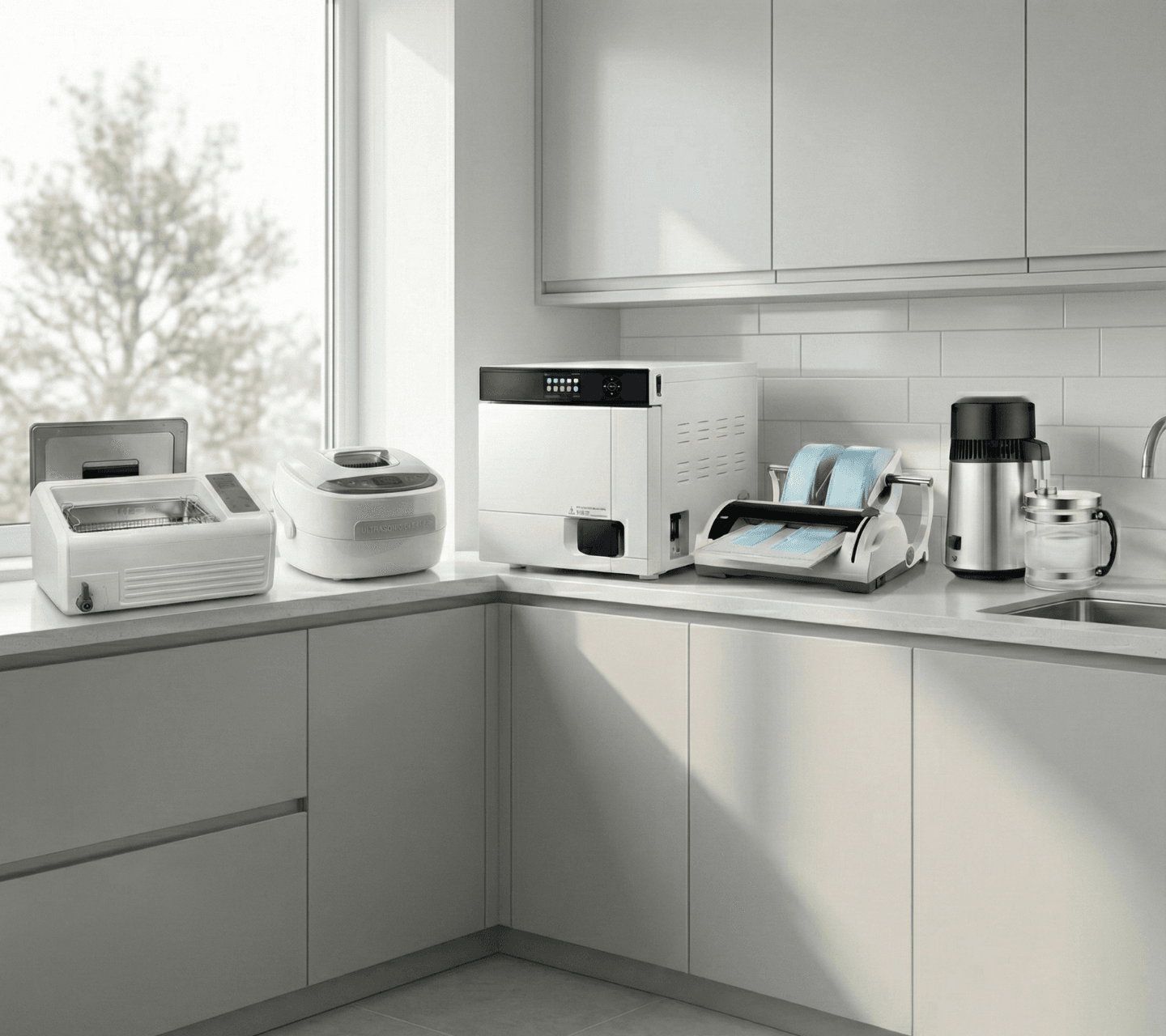
Top 6 Reasons Sterilization Workflows Break Down Even When Equipment Is Good
Good equipment does not guarantee a good workflow.
1. Poor Room Flow
When clean and dirty processes overlap, confusion becomes normal.
2. Weak Stage Handoffs
Cleaning, drying, packaging, and sterilization must work as one system.
3. Bottleneck Mismatch
The slowest stage controls the entire workflow.
4. No Clear Ownership
Without ownership, standards drift.
5. Process Drift Over Time
Shortcuts slowly become normal.
6. Treating Sterilization as Secondary
Sterilization impacts:
- scheduling
- case turnover
- staff workload
Final Takeaway
If the room feels inefficient, the problem is usually the system, not the equipment.
Our Recent News
Stay up to date on the future of sterilization, healthcare compliance, and sustainability.
Learn why water quality is critical to sterilizer performance, reliability, and maintenance. Discover how proper water support helps protect your investment over the long term.
Packaging mistakes can affect efficiency, consistency, and confidence throughout the sterilization process. Learn why packaging deserves more attention in modern reprocessing workflows.
Compare steam sterilization and dry heat sterilization from a workflow perspective. Learn why steam sterilizers remain the preferred choice for most modern healthcare practices.
Experience the Sterolux Difference
Join 500+ healthcare facilities that trust Sterolux for reliable, compliant, and efficient sterilization. Our team is ready to help you find the perfect solution.
Stay Updated
Get the latest updates on new products, industry insights, and exclusive offers.